
Pulmonary & Thoracic Pathology
A Subspecialty Of Anatomic Pathology

About Pulmonary & Thoracic Pathology
Stanford’s Pulmonary & Thoracic Pathology service specializes examination of tissue obtained from the thorax, including lungs, trachea, thymus and chest wall, for evaluation of tumors as well as non-cancer related conditions such as inflammatory, infectious or immunologic lung disease, interstitial lung disease, neoplastic mediastinal and pulmonary disorders.
Our Services
Submit a Specimen
Our Faculty
Ancillary Testing
Stanford’s Pulmonary & Thoracic Pathology service offers comprehensive diagnosis for wet tissue and consult cases related to neoplastic and non-neoplastic disorders of the lung and the mediastinum.
Special expertise in exists in lung transplant pathology, thoracic oncology including mesotheliomas, tracheal pathology, pulmonary hypertension, vasculitis, interstitial lung disease, thymic pathology, granulomatous diseases and pediatric pulmonary pathology. Our service also offers evaluation of prognostic features relative to tumor immunotherapy via PD-L1 expression levels, ALK and ROS1 gene rearrangements and genetic mutations.
Primary Pathology Diagnosis
Stanford’s Pulmonary & Thoracic Pathology service performs gross and microscopic examination and reporting of wet tissue cases.
Consultative Opinions & Case Reviews
Pulmonary & Thoracic Pathology offers consultative opinions on challenging cases submitted from outside of the Stanford network. These consultations can be utilized to offer expert opinion, answer specific questions or confirm diagnosis.
Consult Cases
To submit slides for case review, please fill out a Stanford requisition and include all slides, relevant reports, and ancillary testing materials and reports. If possible, please include a block, as it will greatly speed the finalization of the case should additional testing be necessary. Package all materials securely and send via a padded envelope.
Wet Tissue Specimens
Please submit materials in proper transport media. All samples should be labeled with the patient information (name, DOB and one other unique identifier) and sealed in a biohazard bag. Please submit a signed Stanford requisition with each sample.
Samples should be shipped or delivered via courier to:
Stanford Anatomic Pathology
Attn: Pulmonary & Thoracic Pathology
300 Pasteur Drive, Room H2110
Stanford, CA 94305
Phone: 650-723-7211
Fax (650) 725-7409
New Client Inquiries
To arrange to be set up as a new client, please contact:
ClinOpsContracts@stanfordhealthcare.org.
Contact Us
To submit a specimen to Pulmonary & Thoracic Pathology, please complete a requisition and send with sample to:
Stanford Pulmonary & Thoracic Pathology
300 Pasteur Drive, Room H2110
Stanford, CA 94305
Phone: 650-723-7211
Fax (650) 725-7409
Medical Director:
Gerald Berry, MD
To arrange to be set up as a new client, please contact:
ClinOpsContracts@
stanfordhealthcare.org
SAMPLE SUBMISSION LOGISTICS
For more information on submitting cases, see the links below:
All Requisitions
Download Stanford Requisitions for specimen submission.
Account Set-up
Information on personalized requisitions, supplies, shipping and courier pick-up.
Pricing Inquiries
Pricing inquiries and contract information.
Billing
Billing policies, information and questions.
Results Web Portal
Request access or log-in to our client results portal.
Specimen Collection and Handling
Specifications for Specimen Collection and Handling.
Consult Service FAQ's
Get answers to Frequently Asked Questions.
Gerald Berry, MD

APPOINTMENTS
- Professor of Pathology
- Director of Anatomic Pathology
PRACTICE AREAS
- Pathology and Laboratory Medicine
- Anatomic Pathology
CONTACT
Email: gerald.berry@stanford.edu
Phone: (650) 498-4987
More information about Gerald Berry:
https://med.stanford.edu/profiles/gerald-berry
https://profiles.stanford.edu/gerald-berry
Michael Ozawa, MD, PhD
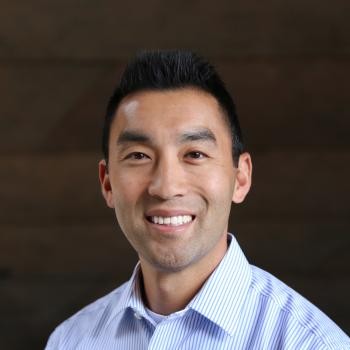
APPOINTMENTS
- Clinical Assistant Professor
PRACTICE AREAS
- Anatomic and Clinical Pathology
- Cytopathology
- Head and Neck Pathology
- Thoracic Pathology
CONTACT
Email: mgozawa@stanford.edu
Phone: (650) 739-6692
More information about Michael Ozawa:
https://med.stanford.edu/profiles/michael-ozawa
https://profiles.stanford.edu/michael-ozawa
Ancillary Testing
Our Pulmonary & Thoracic Pathology group relies on a wide range of ancillary testing to support our case evaluation. The service offers a full spectrum of immunohistochemical stains, FISH, PCR and molecular studies for full diagnostic interpretation with clinical correlation.
Immunohistochemistry »
We offer a comprehensive list of standard and special stains including PDL-1 via IHC.
Molecular Pathology »
Cytogenetics/FISH »
Our Molecular Diagnostics and Cytogenetics laboratories analyze tumors for gene mutations from lung carcinomas, such as EGFR, ALK, and ROS-1 for targeted and personalized therapy.
Electron microscopy services for ultrastructural analysis is also available.
Stanford’s Pulmonary & Thoracic Pathology service offers comprehensive diagnosis for wet tissue and consult cases related to neoplastic and non-neoplastic disorders of the lung and the mediastinum.
Special expertise in exists in lung transplant pathology, thoracic oncology including mesotheliomas, tracheal pathology, pulmonary hypertension, vasculitis, interstitial lung disease, thymic pathology, granulomatous diseases and pediatric pulmonary pathology. Our service also offers evaluation of prognostic features relative to tumor immunotherapy via PD-L1 expression levels, ALK and ROS1 gene rearrangements and genetic mutations.
Primary Pathology Diagnosis
Stanford’s Pulmonary & Thoracic Pathology service performs gross and microscopic examination and reporting of wet tissue cases.
Consultative Opinions & Case Reviews
Pulmonary & Thoracic Pathology offers consultative opinions on challenging cases submitted from outside of the Stanford network. These consultations can be utilized to offer expert opinion, answer specific questions or confirm diagnosis.
close Our Services
Consult Cases
To submit slides for case review, please fill out a Stanford requisition and include all slides, relevant reports, and ancillary testing materials and reports. If possible, please include a block, as it will greatly speed the finalization of the case should additional testing be necessary. Package all materials securely and send via a padded envelope.
Wet Tissue Specimens
Please submit materials in proper transport media. All samples should be labeled with the patient information (name, DOB and one other unique identifier) and sealed in a biohazard bag. Please submit a signed Stanford requisition with each sample.
Samples should be shipped or delivered via courier to:
Stanford Anatomic Pathology
Attn: Pulmonary & Thoracic Pathology
300 Pasteur Drive, Room H2110
Stanford, CA 94305
Phone: 650-723-7211
Fax (650) 725-7409
New Client Inquiries
To arrange to be set up as a new client, please contact:
ClinOpsContracts@stanfordhealthcare.org.
Contact Us
To submit a specimen to Pulmonary & Thoracic Pathology, please complete a requisition and send with sample to:
Stanford Pulmonary & Thoracic Pathology
300 Pasteur Drive, Room H2110
Stanford, CA 94305
Phone: 650-723-7211
Fax (650) 725-7409
Medical Director:
Gerald Berry, MD
To arrange to be set up as a new client, please contact:
ClinOpsContracts@
stanfordhealthcare.org
SAMPLE SUBMISSION LOGISTICS
For more information on submitting cases, see the links below:
All Requisitions
Download Stanford Requisitions for specimen submission.
Account Set-up
Information on personalized requisitions, supplies, shipping and courier pick-up.
Pricing Inquiries
Pricing inquiries and contract information.
Billing
Billing policies, information and questions.
Results Web Portal
Request access or log-in to our client results portal.
Specimen Collection and Handling
Specifications for Specimen Collection and Handling.
Consult Service FAQ's
Get answers to Frequently Asked Questions.
close Submit a Specimen
Gerald Berry, MD
APPOINTMENTS
- Professor of Pathology
- Director of Anatomic Pathology
PRACTICE AREAS
- Pathology and Laboratory Medicine
- Anatomic Pathology
CONTACT
Email: gerald.berry@stanford.edu
Phone: (650) 498-4987
More information about Gerald Berry:
https://med.stanford.edu/profiles/gerald-berry
https://profiles.stanford.edu/gerald-berry
Michael Ozawa, MD, PhD
APPOINTMENTS
- Clinical Assistant Professor
PRACTICE AREAS
- Anatomic and Clinical Pathology
- Cytopathology
- Head and Neck Pathology
- Thoracic Pathology
CONTACT
Email: mgozawa@stanford.edu
Phone: (650) 739-6692
More information about Michael Ozawa:
https://med.stanford.edu/profiles/michael-ozawa
https://profiles.stanford.edu/michael-ozawa
close Our Faculty
Ancillary Testing
Our Pulmonary & Thoracic Pathology group relies on a wide range of ancillary testing to support our case evaluation. The service offers a full spectrum of immunohistochemical stains, FISH, PCR and molecular studies for full diagnostic interpretation with clinical correlation.
Immunohistochemistry »
We offer a comprehensive list of standard and special stains including PDL-1 via IHC.
Molecular Pathology »
Cytogenetics/FISH »
Our Molecular Diagnostics and Cytogenetics laboratories analyze tumors for gene mutations from lung carcinomas, such as EGFR, ALK, and ROS-1 for targeted and personalized therapy.
Electron microscopy services for ultrastructural analysis is also available.
close Ancillary Testing
Residencies and Fellowships
Anatomic Pathology Residency Programs »
Stanford Pathology offers a 3-year Anatomic Pathology residency and 4 year combination residencies in Anatomic Pathology/Clinical Pathology and Anatomic Pathology/Neuropathology.
Thoracic Pathology Fellowships »
Stanford offers an ACGME-accredited Fellowship in Surgical Pathology, which includes rotations in Thoracic Pathology.